Introduction
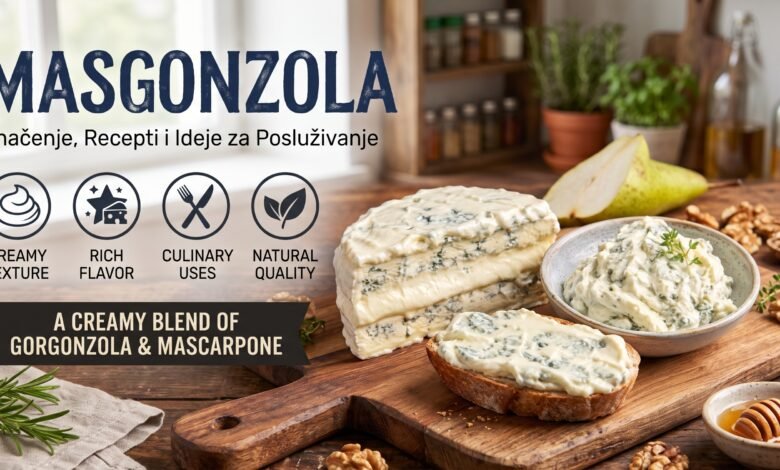
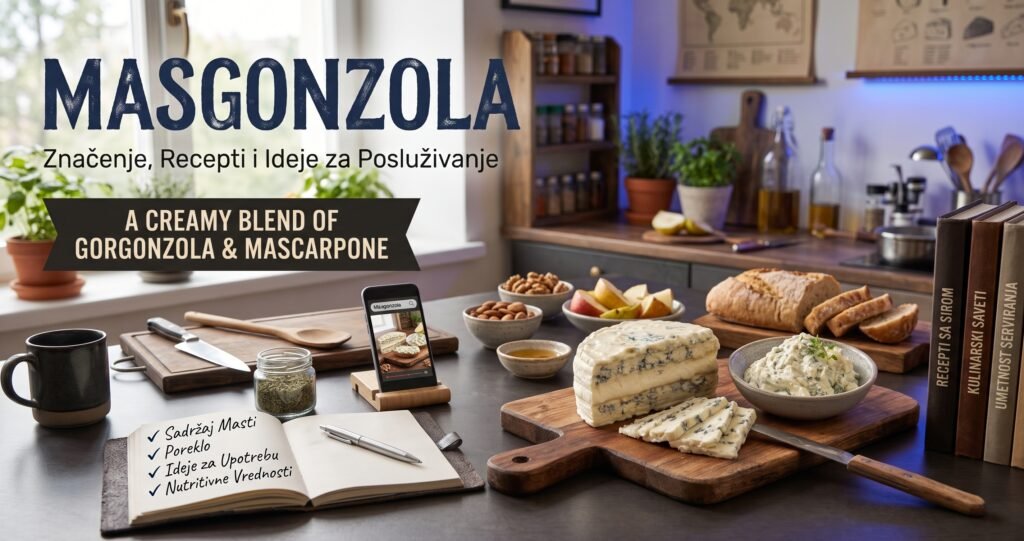
Masgonzola is a creamy cheese specialty associated with the combination of two well-known Italian dairy products: mascarpone and Gorgonzola. It brings together the smooth, buttery texture of mascarpone and the distinctive salty, tangy flavour of Gorgonzola blue cheese. The result is a softer and milder cheese preparation that can be used in spreads, pasta sauces, appetizers, risotto, and other dishes.
The name Masgonzola appears to combine parts of the words mascarpone and Gorgonzola. Although it may sound like the name of a traditional Italian cheese, it is more accurately understood as a culinary combination or specialty rather than a separate protected cheese variety. Recipes and commercial food references have used the name for preparations featuring the two cheeses, including layered versions.
Interest in Masgonzola has grown through online food articles and searches for unusual cheese varieties. Understanding its ingredients, flavour, preparation, and culinary uses helps explain why this combination appeals to people who enjoy blue cheese but prefer a creamier and less intense taste.
Quick Information Table
| Detail | Information |
|---|---|
| Name | Masgonzola |
| Food category | Cheese specialty |
| Main ingredients | Mascarpone and Gorgonzola |
| Culinary origin | Italian cheese combination |
| Texture | Soft, creamy, and spreadable |
| Flavour | Buttery, mild, tangy, and slightly salty |
| Appearance | White or cream layers with blue cheese veining |
| Main dairy source | Cow’s milk |
| Common forms | Blended or layered |
| Popular uses | Pasta, risotto, sauces, spreads, and appetizers |
| Protected status | No separate Masgonzola PDO designation established |
| Main allergen | Milk |
| Storage | Refrigerated |
What Is Masgonzola?
Masgonzola is generally used to describe a cheese preparation made by combining mascarpone with Gorgonzola. Each ingredient contributes a different quality, creating a balanced mixture with a creamy texture and a recognizable blue-cheese character.
Gorgonzola is an Italian blue-veined cheese known for its savoury flavour, saltiness, and distinctive aroma. Mascarpone, on the other hand, is a rich and mild dairy product with a smooth consistency and subtle sweetness. When combined, mascarpone softens the stronger characteristics of Gorgonzola.
This combination is useful for people who enjoy the flavour of blue cheese but find traditional varieties too sharp or pungent. It also creates a soft preparation that can be spread on bread or incorporated into warm dishes.
Masgonzola is not necessarily made according to one universal recipe. Some preparations combine the two cheeses into a smooth mixture, while others arrange them in alternating layers. The proportions can also vary, affecting the final taste, appearance, and texture.
The Meaning Behind the Name
The name is commonly explained as a combination of two cheese names:
- Mas: Associated with mascarpone.
- Gonzola: Taken from Gorgonzola.
Together, they form Masgonzola, a convenient name for a preparation featuring both ingredients.
The exact historical origin of the word has not been firmly established. It is therefore better to explain the name through its ingredients rather than claim that it has a documented centuries-old history.
The term also appears in culinary recipes and food references under related descriptions such as Gorgonzola e Mascarpone and Gorgonzola-Mascarpone. This means consumers may encounter the same general combination without seeing the exact word Masgonzola on the packaging.
The Two Main Ingredients of Masgonzola
The identity of Masgonzola depends on the different qualities of its two main ingredients. Understanding each one explains how the final product achieves its characteristic flavour and consistency.
1. Gorgonzola Cheese
Gorgonzola is a well-known Italian blue cheese traditionally produced using cow’s milk. It develops blue-green veins during maturation, giving it a distinctive appearance and flavour.
Its taste can be creamy and relatively mild or stronger and more pronounced, depending on the variety and maturation. Gorgonzola generally contributes:
- A salty and savoury flavour.
- Tangy blue-cheese notes.
- A distinctive dairy aroma.
- Creaminess or a firmer texture, depending on the variety.
- The characteristic blue-green veining.
Gorgonzola is an important part of Masgonzola because it provides the flavour that distinguishes the preparation from ordinary cream cheese.
2. Mascarpone Cheese
Mascarpone is an Italian dairy product made from cream. It is widely used in both sweet and savoury recipes because of its rich texture and mild taste.
Unlike blue cheese, mascarpone does not have a strong or pungent flavour. It is smooth, buttery, and naturally creamy.
Its main contributions include:
- A soft and spreadable consistency.
- Mild dairy sweetness.
- Richness and smoothness.
- A less intense overall flavour.
- A creamy base that balances Gorgonzola.
Mascarpone is especially important because it makes the final mixture easier to spread and incorporate into sauces.
How Is Masgonzola Prepared?
Masgonzola is prepared by bringing Gorgonzola and mascarpone together. The exact method depends on the producer or recipe, as there is no single standardized formula for the combination.
Choosing the Ingredients
The first step is selecting suitable Gorgonzola and mascarpone. The choice of Gorgonzola influences how strong the finished preparation will taste.
A milder Gorgonzola produces a softer overall flavour, while a stronger variety gives the mixture more pronounced blue-cheese characteristics.
Mascarpone provides the creamy component. Its quantity can be adjusted according to the desired consistency and flavour balance.
Blending the Cheeses
One common preparation method involves gently combining the two ingredients until they form a consistent mixture.
The amount of mascarpone determines how creamy and mild the result becomes. More Gorgonzola creates a stronger flavour, while more mascarpone produces a softer and richer preparation.
Creating Layered Masgonzola
Another presentation uses alternating layers of white mascarpone and Gorgonzola. This style creates a visible contrast between the two cheeses and can be served in slices or wedges.
Layered preparations are particularly suitable for cheese boards because they look attractive and allow guests to experience both ingredients together.
Packaging and Refrigeration
Because both ingredients are dairy products, the finished preparation needs appropriate refrigerated storage. Commercial products should follow the manufacturer’s packaging and handling instructions.
Homemade versions should also be kept chilled and handled with clean utensils to reduce contamination.
What Does Masgonzola Taste Like?
The flavour of Masgonzola is generally milder and creamier than that of plain Gorgonzola. Its taste depends on the type of blue cheese used and the proportion of mascarpone in the preparation.
Creamy and Buttery First Taste
Mascarpone gives the mixture a rich, smooth character. The first impression is often creamy, slightly sweet, and buttery rather than sharply salty.
Gentle Blue-Cheese Flavour
As the cheese is tasted, the Gorgonzola contributes its familiar tangy and savoury notes. These flavours provide depth without necessarily becoming as intense as they would be in a preparation containing only blue cheese.
Soft and Spreadable Texture
Masgonzola is usually soft enough to spread on bread or mix into sauces. Layered versions may have a slightly different texture because the two cheeses remain visually distinct.
| Characteristic | Typical description |
|---|---|
| Taste | Creamy, buttery, tangy, and savoury |
| Saltiness | Mild to moderate |
| Aroma | Dairy-rich with blue-cheese notes |
| Texture | Soft, smooth, and spreadable |
| Appearance | Creamy white with blue-veined sections in layered versions |
These are general characteristics, not fixed specifications. Different recipes and commercial preparations can produce noticeably different results.
Masgonzola vs. Gorgonzola vs. Mascarpone
Although the three names are closely connected, they describe different dairy products.
| Feature | Masgonzola | Gorgonzola | Mascarpone |
|---|---|---|---|
| Main composition | Gorgonzola and mascarpone | Blue-veined cheese | Cream-based fresh cheese |
| Flavour | Balanced, creamy, tangy | Salty, tangy, and sometimes pungent | Mild and buttery |
| Texture | Soft and spreadable | Soft to firmer, depending on type | Thick and smooth |
| Blue veining | Present through Gorgonzola component | Characteristic feature | None |
| Common uses | Spreads and creamy sauces | Cheese boards and savoury dishes | Desserts and sauces |
| Separate PDO status | Not established | Yes | No |
Gorgonzola has a protected designation of origin, meaning authentic cheese sold under that name must comply with defined geographical and production requirements. Mascarpone is a separate fresh dairy product. Masgonzola is the combination of these ingredients, rather than an independently protected cheese variety. Gorgonzola DOP+2
Is Masgonzola an Authentic Italian Cheese?
Masgonzola has a genuine culinary use, but it is important to distinguish between a real food preparation and a protected traditional cheese.
Gorgonzola is an officially recognized Italian PDO cheese. Its production is linked to a defined geographical area in northern Italy, and its product specification sets out requirements for ingredients, production, maturation, and identification. EUR-Lex+1
Masgonzola, by contrast, does not have a separate PDO designation or one universally established production specification. It is more accurately described as a cheese specialty made by combining Gorgonzola and mascarpone.
The name is not merely an invented internet word with no culinary use. Published recipes use Masgonzola as an ingredient and describe it as a layered cheese made from the two products. For example, documented recipes include pasta preparations, sauces, and filled dishes. media.bettybossi.ch+1
However, there is not enough reliable historical evidence to identify one inventor, an exact creation date, or a single place where the name first originated. Claims that Masgonzola is an ancient cheese with its own centuries-old tradition should therefore be treated cautiously.
Popular Culinary Uses of Masgonzola
One reason this cheese combination is useful is its ability to add blue-cheese flavour without requiring cooks to mix separate ingredients every time. Its soft consistency makes it suitable for both simple snacks and more elaborate meals.
1. Pasta and Gnocchi
Masgonzola works well in creamy pasta sauces. It can be gently melted with a little milk, cream, or reserved pasta water to create a smooth coating for noodles.
It is particularly suitable for dishes involving gnocchi, pappardelle, ravioli, and other pasta shapes that pair well with rich sauces.
2. Risotto
A small amount can be stirred into risotto near the end of cooking. The mascarpone adds creaminess, while Gorgonzola provides a savoury flavour.
It can work especially well with mushroom, pear, walnut, or spinach combinations.
3. Bread and Crostini
Masgonzola can be spread over toasted bread, crackers, or crostini. Adding honey, fresh herbs, walnuts, or sliced pears creates a balance between creamy, savoury, and sweet flavours.
This makes it a practical option for appetizers and light snacks.
4. Pizza and Flatbreads
The cheese can be used as a topping for white pizza and flatbreads. It pairs well with ingredients such as caramelized onions, pears, mushrooms, and walnuts.
Because it is soft and rich, it is best used thoughtfully alongside other toppings rather than in excessive quantities.
5. Stuffed Dates and Figs
Masgonzola can be spooned into pitted dates or fresh figs. A walnut or almond placed on top adds crunch and creates a simple appetizer.
The natural sweetness of the fruit balances the salty character of the Gorgonzola.
6. Creamy Vegetable Sauces
It can also be incorporated into sauces for vegetables such as roasted cauliflower, potatoes, mushrooms, and broccoli. The creamy texture helps create a rich coating, while the blue-cheese component adds flavour.
How to Make a Simple Masgonzola-Style Mixture at Home
A homemade version can be prepared with two ingredients. It will not necessarily match every commercial product, but it provides a similar flavour combination.
Ingredients:
- 100g mascarpone
- 50g Gorgonzola
- A small amount of black pepper, if desired
Preparation:
- Allow the ingredients to soften slightly in the refrigerator, without leaving them at room temperature for an extended period.
- Place the mascarpone in a clean mixing bowl.
- Break the Gorgonzola into small pieces.
- Add the Gorgonzola gradually to the mascarpone.
- Fold the ingredients together until the mixture reaches your preferred consistency.
- Taste and adjust the balance by adding a little more mascarpone for a milder flavour or Gorgonzola for a stronger one.
- Refrigerate the mixture until ready to serve.
For a layered presentation, avoid mixing the ingredients completely. Instead, arrange alternating layers of mascarpone and Gorgonzola in a suitable container.
Nutritional Value and Dietary Considerations
Masgonzola is a rich dairy preparation because it contains mascarpone, which is made from high-fat cream, as well as Gorgonzola. Its exact nutritional values depend on the recipe and the proportions of the two ingredients.
It can provide protein and calcium, but it may also contain considerable amounts of fat, saturated fat, and calories. There is no single official nutritional profile for Masgonzola because it does not have one standardized recipe.
Important Dietary Points
- Milk allergy: Masgonzola contains dairy and is unsuitable for people with a milk allergy.
- Lactose intolerance: Both ingredients may contain lactose. Individual tolerance varies, so people with lactose intolerance should check product information and seek appropriate dietary advice.
- Vegetarian diets: Some Gorgonzola production uses animal-derived rennet. Check the product label if you follow a vegetarian diet.
- Calorie intake: Because the preparation is rich in fat, moderate portions are sensible.
- Pregnancy: Check whether the cheese is made from pasteurized milk and follow relevant food-safety advice for soft and blue-veined cheeses.
For accurate nutritional information, use the figures printed on the specific product’s packaging rather than relying on estimates for all Masgonzola preparations.
How to Buy and Store Masgonzola
Masgonzola may be sold under different names, so shoppers should not rely exclusively on the exact word when looking for it.
What Names Should You Look For?
Related product descriptions include:
- Masgonzola
- Gorgonzola e Mascarpone
- Gorgonzola with Mascarpone
- Gorgonzola-Mascarpone
- Gorgonzola and mascarpone layered cheese
Specialty cheese shops and Italian food retailers are possible places to look for this type of preparation. Availability depends on the country, retailer, and producer.
Storage Guidelines
Masgonzola should be refrigerated according to the manufacturer’s instructions.
- Keep it in its original packaging until opening, where possible.
- After opening, use suitable food-safe wrapping or an airtight container.
- Keep it separate from foods that could absorb its aroma.
- Use clean utensils whenever serving it.
- Follow the use-by date and storage guidance printed on the package.
Do not rely on a general number of days for every product after opening. Shelf life depends on the ingredients, processing, packaging, and storage conditions. If the cheese develops an unusual smell, unexpected appearance, or signs of spoilage, discard it.
Freezing is generally not ideal for a soft mascarpone-based preparation because it can affect its smooth texture and cause separation after thawing.
Common Misconceptions About Masgonzola
Several misunderstandings appear in online discussions about this cheese combination.
Masgonzola Is the Same as Gorgonzola
This is incorrect. Gorgonzola is the blue cheese used as one of the main ingredients. Masgonzola combines it with mascarpone.
Masgonzola Is an Ancient Protected Cheese
There is no verified separate PDO specification or established historical record supporting this description. It is more accurate to call it a cheese preparation or specialty.
Every Masgonzola Has the Same Recipe
There is no universal formula. The ratio of Gorgonzola to mascarpone and the preparation method can vary.
Masgonzola Is Always a Blended Cheese
Not necessarily. It can be blended into a smooth mixture or presented in visible layers.
It Is Only Suitable for Cheese Boards
Its uses go beyond serving it with crackers. It can also be incorporated into pasta, risotto, sauces, appetizers, and other savoury recipes.
Frequently Asked Questions About Masgonzola
1. What is Masgonzola made of?
Masgonzola is generally made by combining Gorgonzola blue cheese with mascarpone. The two ingredients create a creamy preparation with a milder blue-cheese flavour.
2. Is Masgonzola a real cheese?
The Gorgonzola-and-mascarpone combination is a genuine culinary preparation used in recipes and commercial food descriptions. However, Masgonzola is not established as a separate protected cheese variety.
3. Where does the name Masgonzola come from?
The name appears to combine the words mascarpone and Gorgonzola. It describes the two main ingredients rather than a separately established historical cheese name.
4. Does Masgonzola taste like blue cheese?
Yes, it has blue-cheese characteristics because it contains Gorgonzola. However, mascarpone softens the stronger salty and tangy notes.
5. Is Masgonzola stronger than Gorgonzola?
Usually, it is milder than plain Gorgonzola because mascarpone balances its flavour. The exact intensity depends on the ingredients and their proportions.
6. Is Masgonzola suitable for pasta?
Yes. Its soft texture makes it useful in creamy pasta sauces, particularly with gnocchi, ravioli, and other pasta dishes.
7. Can Masgonzola be used instead of Gorgonzola?
It can replace Gorgonzola in some creamy sauces and spreads. However, it may not work as well when a recipe requires firm blue-cheese pieces or a strong, concentrated flavour.
8. Is Masgonzola protected by PDO status?
No separate Masgonzola PDO designation has been established. Gorgonzola itself has protected status, but that protection does not create a separate designation for the combination with mascarpone.
9. Can Masgonzola be made at home?
Yes. A simple version can be made by folding Gorgonzola into mascarpone. The proportions can be adjusted according to personal taste.
10. What foods pair well with Masgonzola?
It pairs well with pears, apples, figs, grapes, walnuts, honey, pasta, mushrooms, and toasted bread.
Final Thoughts
Masgonzola is an interesting cheese specialty that brings together the creamy richness of mascarpone and the distinctive flavour of Gorgonzola. Its smooth texture and balanced taste make it useful for spreads, pasta sauces, risotto, appetizers, and cheese boards.
The most important distinction is that Masgonzola is not a separate protected Italian cheese like Gorgonzola. It is better understood as a combination of two established dairy products, available in blended or layered preparations. Although its exact historical origin and first use of the name are not firmly documented, its culinary application is supported by published recipes.
For anyone who enjoys creamy cheese with a gentle blue-cheese flavour, Masgonzola offers a versatile ingredient for both everyday meals and special occasions.
FuturesBrief.co.uk