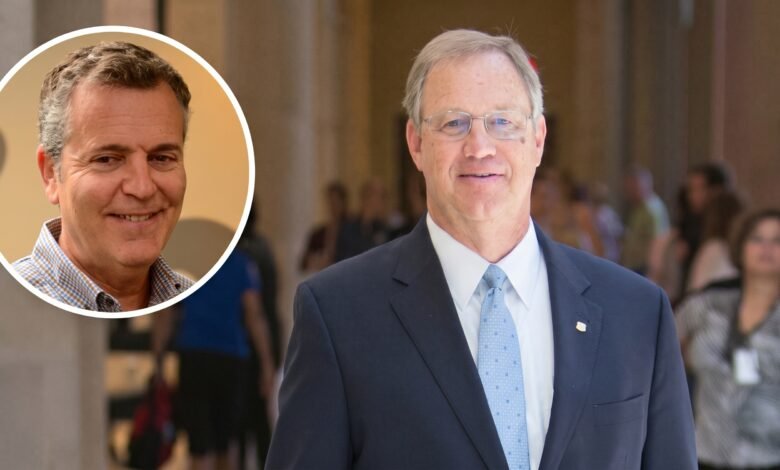
Greg Garland and Chuck Rubin are two prominent American business executives whose careers have been associated with corporate leadership, business development, organizational strategy, and major consumer and industrial companies. Greg Garland is particularly recognized for his leadership in the energy and chemical industries, while Chuck Rubin has built his reputation in retail, consumer products, and corporate management.
The keyword greg garland and chuck rubin brings together two executives with different professional backgrounds but shared experience in leading large organizations, managing business operations, developing corporate strategies, and navigating competitive markets. Their careers offer useful insights into leadership, business transformation, customer relationships, operational efficiency, and long-term corporate growth.
Although they are associated with different industries, examining their professional journeys provides a broader understanding of how executives influence businesses, develop organizational strategies, and respond to changing market conditions.
Quick Information Table
| Detail | Greg Garland | Chuck Rubin |
|---|---|---|
| Full name | Gregory C. Garland | Carl S. Rubin |
| Profession | Energy industry executive | Retail business executive |
| Education | Texas A&M University | Brandeis University |
| Educational qualification | Chemical engineering | Bachelor’s degree |
| Best known for | Phillips 66 leadership | Michaels, Ulta Beauty, West Marine |
| Major industries | Energy, chemicals, oil and gas | Retail, consumer products, marine retail |
| Major leadership position | Chairman and CEO of Phillips 66 | CEO and chairman of Michaels |
| Previous employers | Phillips Petroleum, Chevron Phillips Chemical, ConocoPhillips | Accenture, Office Depot, Ulta Beauty, Michaels |
| Business expertise | Energy operations, corporate strategy, chemical manufacturing | Retail operations, customer experience, merchandising |
| Current professional involvement | Corporate boards and industry organizations | Advisory and board activities |
Who Is Greg Garland?
Gregory C. Garland is an American energy executive who became widely recognized for his leadership at Phillips 66, a major energy manufacturing and logistics company. His career spans several decades and includes significant responsibilities in oil and gas, petrochemicals, refining, energy operations, and corporate management.
Garland is a chemical engineer by education and developed his professional career through technical, commercial, and executive roles within the energy sector.
His leadership experience includes managing complex industrial operations, overseeing corporate strategy, participating in major business decisions, and serving on corporate boards.
Education and Early Professional Background
Greg Garland graduated from Texas A&M University in 1980 with a Bachelor of Science degree in chemical engineering.
His technical education provided the foundation for his career in petroleum, chemicals, and energy manufacturing.
Chemical engineering is particularly relevant to the energy industry because it involves the design, development, operation, and optimization of industrial processes used to produce chemicals, fuels, and other materials.
Garland’s early professional experience included working as a project engineer at Phillips Petroleum’s Plastics Technical Center.
He later moved into commercial and management positions, including sales engineering, business development, planning, and chemical operations.
These experiences allowed him to develop knowledge of both the technical and commercial aspects of the energy industry.
Greg Garland’s Career in the Energy Industry
Garland spent much of his professional career working within organizations associated with Phillips Petroleum, Phillips 66, Chevron Phillips Chemical, and ConocoPhillips.
His career progression reflects a combination of engineering knowledge, business management, and executive leadership.
Early Roles at Phillips Petroleum
Garland began his career at Phillips Petroleum in 1980.
During his early years, he worked in technical and commercial roles associated with plastics, chemicals, business development, and industrial operations.
He subsequently held management positions involving:
- Plastics and specialty chemicals.
- Business development.
- Industrial planning.
- Natural gas liquids.
- Chemical manufacturing.
- International business operations.
- Strategic planning.
His professional experience expanded over time, preparing him for more senior leadership positions within the energy industry.
Leadership at Chevron Phillips Chemical
Garland became associated with Chevron Phillips Chemical, a major petrochemical company formed through a joint venture between Chevron and Phillips Petroleum.
He held senior leadership positions involving planning, specialty chemicals, and strategic transactions.
In 2008, he became president and chief executive officer of Chevron Phillips Chemical.
The position required overseeing a major global chemicals business with extensive manufacturing operations, commercial activities, and international markets.
His responsibilities included managing industrial operations, financial performance, business development, organizational strategy, and technological investments.
ConocoPhillips Executive Position
In 2010, Garland became senior vice president of Exploration and Production, Americas, at ConocoPhillips.
This position involved responsibilities related to upstream oil and gas operations, exploration, production, business performance, and regional operations.
His experience at ConocoPhillips further strengthened his knowledge of the energy sector and helped prepare him for the leadership position he subsequently held at Phillips 66.
Greg Garland at Phillips 66
Greg Garland became chairman and chief executive officer of Phillips 66 in April 2012, following the company’s separation from ConocoPhillips. Phillips 66 operates across several segments of the energy industry, including refining, midstream operations, chemicals, marketing, and specialty products.
His leadership involved managing a diversified energy business and navigating changing market conditions, commodity prices, industrial demand, energy regulations, and technological developments.
Corporate Leadership and Strategic Priorities
Garland’s responsibilities at Phillips 66 included:
- Corporate strategy and long-term planning.
- Refining and manufacturing operations.
- Energy logistics and transportation.
- Petrochemical business development.
- Financial performance and capital allocation.
- Operational safety and reliability.
- Shareholder relations.
- Corporate governance.
Phillips 66 operates in a capital-intensive industry where business performance depends on operational efficiency, commodity markets, infrastructure, environmental regulations, and global economic conditions.
Garland’s engineering background was particularly relevant to the company’s industrial operations, while his management experience supported corporate strategy and financial decision-making.
Executive Chairman Position
In July 2022, Garland transitioned from CEO to executive chairman of Phillips 66.
He continued serving as executive chairman until May 2024, when he concluded his tenure at the company.
His departure marked the end of a significant period of executive leadership at Phillips 66, during which he served as chairman and CEO for approximately a decade.
Greg Garland’s Current Professional Activities
Garland continues to have professional involvement in corporate governance, energy industry organizations, and philanthropic activities.
Corporate Board Memberships
Garland has served on the board of Amgen since 2013. His experience in corporate leadership, financial management, risk oversight, and large-scale operations contributes to his board responsibilities.
In November 2025, he joined ExxonMobil’s board of directors. His responsibilities include serving on the Audit and Finance Committees.
His board experience reflects the value of executive knowledge in industries involving complex operations, substantial capital investments, financial risk, and regulatory oversight.
Industry and Philanthropic Activities
Garland has also been involved in organizations associated with education, healthcare, literacy, and business development.
His activities include connections with:
- Texas A&M University.
- The Barbara Bush Literacy Foundation.
- MD Anderson Cancer Center.
- Houston business organizations.
- Energy industry associations.
These activities reflect interests beyond corporate leadership, particularly in education, community development, healthcare, and industry engagement.
His professional profile remains associated with energy industry expertise, corporate governance, and business leadership.
Who Is Chuck Rubin?
Chuck Rubin, whose full name is Carl S. Rubin, is an American retail executive with extensive experience in consumer businesses, specialty retail, merchandising, marketing, operations, and customer experience.
He is known for leading several major retail companies, including Ulta Beauty, Michaels, and West Marine.
Rubin’s professional career includes senior positions in retail management, consulting, business transformation, and corporate governance.
Unlike Greg Garland, whose career has primarily involved industrial and energy operations, Rubin’s career has focused on consumer-facing businesses where customer experience, product selection, retail locations, e-commerce, merchandising, and brand development play major roles.
Education and Early Career
Chuck Rubin earned a bachelor’s degree from Brandeis University.
His early professional experience included management positions in retail and consulting.
He also worked at Accenture, where he became a partner and participated in consulting projects involving retail formats, business operations, and e-commerce.
This consulting experience helped him develop an understanding of business strategy, operational improvement, technology, and organizational transformation.
His later executive career involved leading retail organizations through growth, competitive challenges, and changes in consumer behavior.
Chuck Rubin’s Career at Office Depot
Rubin held senior management positions at Office Depot, including leadership responsibilities within its North American retail business.
His work involved managing retail operations, developing commercial strategies, improving customer experience, and overseeing business performance.
Office supply retail is a competitive industry involving businesses, individual consumers, online shopping, commercial accounts, and changing workplace requirements.
Rubin’s experience at Office Depot helped develop his expertise in large-scale retail operations and customer-focused business strategy.
His professional background subsequently prepared him for executive leadership at Ulta Beauty.
Chuck Rubin at Ulta Beauty
Chuck Rubin served as president and chief executive officer of Ulta Beauty from 2010 to 2013.
Ulta Beauty is a major American beauty retailer offering cosmetics, skincare products, fragrances, haircare products, salon services, and related consumer merchandise.
His leadership coincided with a period of development in the beauty retail industry, when customer experience, loyalty programs, product assortment, brand partnerships, and online shopping became increasingly important.
Customer Experience and Retail Strategy
Rubin’s leadership at Ulta Beauty emphasized improving the shopping experience and strengthening the company’s competitive position.
Key business priorities included:
- Expanding product offerings.
- Improving customer engagement.
- Developing beauty services.
- Strengthening merchandising.
- Integrating online and physical retail experiences.
- Improving customer loyalty and marketing.
- Supporting store expansion and business growth.
Beauty retail is particularly dependent on customer relationships, product discovery, brand reputation, and personalized shopping experiences.
Rubin’s work at Ulta Beauty contributed to his reputation as an executive experienced in transforming retail operations and improving the customer experience.
His career at Ulta also provided experience in a specialized consumer market, where product innovation, brand relationships, customer preferences, and retail services influence business performance.
Chuck Rubin at Michaels
One of Chuck Rubin’s most prominent executive positions was at The Michaels Companies, a major arts and crafts retailer.
He joined Michaels as CEO in 2013 and became chairman of the board in 2015.
During his leadership, Michaels operated a large retail network and served customers interested in arts, crafts, DIY projects, home decorations, seasonal products, and creative hobbies.
Business Growth and Operational Management
Rubin’s leadership at Michaels involved managing a large retail organization with thousands of employees and stores across North America.
The company’s business model depended on several important areas:
- Arts and crafts merchandise.
- Seasonal decorations.
- DIY and creative products.
- Customer engagement.
- Store operations.
- Product assortment.
- E-commerce.
- Supply chain management.
- Marketing and promotions.
During his tenure, the company expanded its online retail capabilities and focused on operational improvements, product innovation, sourcing, and customer engagement.
His leadership was associated with significant business growth. The professional biography published by his later organization reports that Michaels achieved nearly $1 billion in sales growth during his six years of leadership, representing approximately 23% growth.
Digital Retail and E-Commerce
The retail industry underwent substantial digital transformation during Rubin’s time at Michaels.
Customers increasingly expected the ability to research products online, purchase through digital channels, and interact with retailers across different platforms.
Michaels invested in e-commerce and omnichannel capabilities to improve accessibility and customer convenience.
Rubin’s strategy involved connecting the company’s physical retail presence with its online shopping experience, helping customers access products and services through multiple channels.
This was particularly relevant for arts and crafts customers, who frequently seek inspiration, product ideas, instructional content, and specialized materials.
Leadership and Employee Experience
Michaels operated a large workforce across its retail locations, distribution operations, and corporate functions.
Rubin’s leadership involved employee development, organizational culture, customer service, and operational management.
Retail companies depend heavily on frontline employees because they directly influence customer satisfaction, product knowledge, store experiences, and service quality.
His management experience at Michaels helped establish his reputation as a retail executive with expertise in customer-focused leadership and business transformation.
Rubin left Michaels in 2019.
Chuck Rubin at West Marine
Chuck Rubin joined West Marine as CEO in December 2022.
West Marine is a specialty retailer serving the boating, fishing, sailing, watersports, and marine industries. The company sells products and equipment to recreational boaters, marine professionals, anglers, sailors, and other customers.
His appointment brought extensive retail management experience to a specialized industry that depends on product knowledge, customer service, seasonal demand, inventory management, and omnichannel shopping.
Business Transformation at West Marine
Rubin’s leadership focused on improving the company’s retail operations and strengthening its position within the marine aftermarket.
Strategic priorities included:
- Improving customer experience.
- Strengthening the company’s core boating product assortment.
- Developing professional customer services.
- Improving e-commerce capabilities.
- Strengthening vendor relationships.
- Enhancing operational efficiency.
- Improving inventory management.
- Supporting long-term business sustainability.
West Marine operates through physical stores and online channels, serving both individual consumers and professional customers.
The company’s customer base includes recreational boaters, marine technicians, sailing enthusiasts, fishing customers, and businesses requiring marine products and supplies.
Financial Restructuring and Business Strategy
During Rubin’s tenure, West Marine experienced financial challenges and participated in recapitalization efforts designed to strengthen its financial position.
The company announced a recapitalization transaction in 2023 that provided additional capital and supported its business transformation plans.
Rubin emphasized operational improvement, customer experience, financial stability, and strengthening the company’s long-term prospects.
His work at West Marine demonstrated how retail executives may apply experience from larger consumer businesses to specialized retail markets.
Retirement From West Marine
Rubin retired from West Marine in May 2025.
Paulee Day, who had previously served as the company’s chief operating officer, was appointed CEO in November 2025.
Rubin’s departure marked the conclusion of his leadership at West Marine, following his appointment in December 2022 and his work on the company’s operational and strategic transformation.
His career continued to be associated with retail leadership, business strategy, corporate governance, and advisory activities.
Greg Garland and Chuck Rubin: Career Comparison
The professional backgrounds of Greg Garland and Chuck Rubin offer an interesting comparison between industrial business leadership and consumer retail management.
| Comparison | Greg Garland | Chuck Rubin |
|---|---|---|
| Industry | Energy and chemicals | Retail and consumer products |
| Main expertise | Engineering, energy operations, corporate strategy | Retail operations, merchandising, customer experience |
| Education | Texas A&M University | Brandeis University |
| Major executive role | Phillips 66 chairman and CEO | Michaels chairman and CEO |
| Career focus | Industrial operations and energy markets | Consumer-facing retail businesses |
| Leadership experience | Energy manufacturing and logistics | Specialty retail and omnichannel commerce |
| Major business challenge | Commodity markets and capital-intensive operations | Consumer demand, competition, digital retail |
| Business transformation | Corporate restructuring and energy strategy | Retail growth and customer experience |
| Current activities | Corporate board and industry involvement | Advisory and board activities |
Different Business Environments
Garland’s professional environment is shaped by industrial manufacturing, commodity markets, energy infrastructure, refining, petrochemicals, and regulatory requirements.
Rubin’s professional environment is shaped by consumer preferences, merchandising, store operations, customer loyalty, retail competition, and online shopping.
Their careers demonstrate that effective leadership requires adapting to the specific demands of an industry.
An energy executive must understand production, industrial processes, capital investments, safety, and commodity prices. A retail executive must understand customer behavior, inventory, marketing, product assortment, and shopping experiences.
Are Greg Garland and Chuck Rubin Connected?
There is no verified public evidence establishing a direct personal relationship, family connection, business partnership, or joint venture between Greg Garland and Chuck Rubin.
Their professional careers developed in different industries.
Garland’s business activities have been associated with energy, chemicals, oil and gas, industrial operations, and corporate governance.
Rubin’s career has been associated with retail businesses, consumer products, beauty, arts and crafts, marine retail, and customer experience.
Why Their Names May Appear Together
The keyword greg garland and chuck rubin may appear in business-related searches because both individuals are prominent executives with long careers at major American companies.
Their careers share several broad characteristics:
- Senior leadership at large organizations.
- Experience managing complex business operations.
- Responsibility for corporate strategy.
- Participation in business transformation.
- Experience with board-level governance.
- Professional involvement in different industries.
However, these similarities do not establish that they worked together or maintained a personal relationship.
The comparison is most useful for understanding their individual career paths and executive experience.
Leadership Lessons From Greg Garland
Garland’s career offers several lessons for executives and business professionals.
1. Technical Knowledge Can Support Executive Leadership
An engineering background can provide valuable insight into complex industrial operations.
Garland’s chemical engineering education helped him develop knowledge of industrial processes, manufacturing, and energy-related businesses.
Technical expertise can become an important advantage when executives are responsible for technology-driven or capital-intensive organizations.
2. Long-Term Industry Experience Matters
Garland spent decades developing his knowledge of energy markets, chemical manufacturing, corporate strategy, and industrial operations.
This experience helped him progress through technical, commercial, and executive roles.
Long-term industry knowledge can help leaders understand operational challenges, market conditions, investment requirements, and organizational priorities.
3. Strategic Decisions Require Financial Discipline
Energy companies make substantial investments in facilities, infrastructure, technology, and industrial assets.
Executives must evaluate investment opportunities carefully while considering financial performance, market conditions, operational risks, and long-term business objectives.
4. Corporate Governance Is Important
Board membership and executive leadership require responsibility toward shareholders, employees, customers, regulators, and other stakeholders.
Garland’s experience at multiple corporate boards demonstrates the importance of oversight, risk management, strategic planning, and accountability.
Leadership Lessons From Chuck Rubin
Chuck Rubin’s professional journey provides several lessons related to retail management, customer experience, business transformation, and organizational development.
1. Customer Experience Is a Competitive Advantage
Retail businesses compete through product quality, pricing, convenience, customer service, and shopping experiences.
Rubin’s career at Ulta Beauty, Michaels, and West Marine highlights the importance of understanding customers and creating experiences that encourage long-term loyalty.
2. Adapt to Digital Transformation
Retail businesses must adapt to changing customer behavior.
Online shopping, digital marketing, mobile technology, customer data, omnichannel fulfillment, and e-commerce have changed how consumers interact with retailers.
Rubin’s experience at Michaels and West Marine reflects the importance of integrating digital capabilities with traditional retail operations.
3. Develop Strong Business Operations
Retail leadership involves managing inventory, employees, stores, distribution, merchandising, marketing, and financial performance.
Executives must coordinate these activities to improve efficiency and support business growth.
4. Understand Different Customer Markets
Retail companies serve different customer groups with different needs.
Beauty customers may prioritize product selection and personalized services, while arts and crafts customers may value creativity, product variety, and inspiration.
Marine retail customers may require specialized products, technical knowledge, and reliable equipment.
Understanding these differences is essential for developing effective business strategies.
Recent Professional Developments
Greg Garland
Greg Garland’s professional activities have continued beyond his executive leadership at Phillips 66.
He served as executive chairman until May 2024 and has maintained corporate board involvement.
In November 2025, Garland joined ExxonMobil’s board of directors, serving on its Audit and Finance Committees.
He also continues to be associated with Amgen’s board and organizations related to education, literacy, healthcare, and the energy industry.
These activities demonstrate his continuing involvement in corporate governance and industry leadership.
Chuck Rubin
Chuck Rubin retired from West Marine in May 2025.
His professional profile continues to include advisory and board activities. He is associated with InStride as an advisor and has been involved in corporate and nonprofit governance.
His career remains notable for executive leadership at Ulta Beauty, Michaels, Office Depot, and West Marine.
His professional experience includes retail operations, business transformation, customer experience, marketing, merchandising, and corporate strategy.
The latest documented executive transition at West Marine was the appointment of Paulee Day as CEO in November 2025.
Frequently Asked Questions
Who is Greg Garland?
Greg Garland is an American energy executive best known for serving as chairman and CEO of Phillips 66. He has extensive experience in petroleum, chemicals, energy operations, corporate strategy, and business management.
Who is Chuck Rubin?
Chuck Rubin, whose full name is Carl S. Rubin, is an American retail executive known for leading Ulta Beauty, Michaels, and West Marine. He has extensive experience in retail operations, customer experience, merchandising, and business transformation.
Are Greg Garland and Chuck Rubin related?
There is no verified public evidence establishing a family relationship between Greg Garland and Chuck Rubin.
Did Greg Garland and Chuck Rubin work together?
No publicly documented direct business partnership or joint project between the two executives has been established. Their careers developed in different industries.
What company did Greg Garland lead?
Greg Garland served as chairman and CEO of Phillips 66 from 2012 until June 2022. He subsequently served as executive chairman until May 2024.
What companies did Chuck Rubin lead?
Chuck Rubin held executive leadership positions at Office Depot, Ulta Beauty, Michaels, and West Marine. He served as CEO of Ulta Beauty, Michaels, and West Marine during different periods of his career.
What is Greg Garland’s educational background?
Greg Garland graduated from Texas A&M University in 1980 with a Bachelor of Science degree in chemical engineering.
Where did Chuck Rubin study?
Chuck Rubin earned a bachelor’s degree from Brandeis University.
What is Greg Garland known for?
Greg Garland is known for his leadership in the energy industry, particularly at Phillips 66, Chevron Phillips Chemical Company, and ConocoPhillips.
What is Chuck Rubin known for?
Chuck Rubin is known for his executive leadership in retail, customer experience, business transformation, and omnichannel commerce.
What are Greg Garland and Chuck Rubin doing now?
Greg Garland is involved in corporate board activities and industry organizations. Chuck Rubin is associated with advisory and board activities following his retirement from West Marine in 2025.
Key Takeaways
- Greg Garland is a former chairman and CEO of Phillips 66 with a long career in the energy and chemicals industries.
- Chuck Rubin is a retail executive known for leadership at Ulta Beauty, Michaels, Office Depot, and West Marine.
- Garland studied chemical engineering at Texas A&M University, while Rubin earned his bachelor’s degree from Brandeis University.
- Garland’s expertise includes energy operations, industrial manufacturing, corporate strategy, and governance.
- Rubin’s expertise includes retail operations, customer experience, merchandising, digital transformation, and business development.
- Both executives have experience managing large organizations and leading business transformation.
- Garland’s recent professional activities include corporate board service, while Rubin has pursued advisory and board activities following his retirement from West Marine.
- No verified direct personal relationship, family connection, or joint business partnership between them has been established.
The professional histories of Greg Garland and Chuck Rubin illustrate how leadership principles can be applied across very different industries. Garland’s career reflects the importance of technical expertise, industrial operations, and long-term strategic planning, while Rubin’s career demonstrates the value of customer-focused management, retail innovation, and operational transformation.
Their careers provide useful examples of how executives can develop expertise, manage organizations, and contribute to business growth in competitive markets.
The career details in this article are supported by corporate leadership biographies, company announcements, and documented executive histories. Garland’s Phillips 66 leadership, energy industry experience, and current board activities are documented in corporate records. Rubin’s career at Ulta Beauty, Michaels, Office Depot, and West Marine, along with his retirement and advisory activities, is documented in professional biographies and company announcements.
FuturesBrief.co.uk